Creative teams
A director can describe camera movement, subject action, lighting, and mood before a review, giving the team a shared visual starting point.
See luma labs examples for creative reviewsPrompt craft / video workflows
Turn a loose creative idea into a structured visual brief with practical prompt patterns for teams, solo creators, and production pipelines.
Start creating01 / Pipeline fit
The strongest luma dream machine prompt examples do not replace the work around video generation. They make the handoff from idea to usable shot clearer, faster, and easier to revise.
A director can describe camera movement, subject action, lighting, and mood before a review, giving the team a shared visual starting point.
See luma labs examples for creative reviewsProduct scenes work best when the prompt names the hero object, environment, motion, lens feeling, and the single message the shot must carry.
Explore luma labs examples for product storiesA repeatable prompt structure helps one person test several opening shots without rewriting the entire concept every time.
Find luma labs examples for solo productionShort visual sequences can make an abstract lesson more memorable when the prompt separates the subject, action, setting, and intended audience.
Review luma labs examples for explainersFast-moving formats benefit from prompts that specify a strong first frame, readable action, vertical composition, and a clean ending.
Use luma labs examples for social concepts02 / Handoff
Treat the prompt as a compact production brief rather than a magic sentence. Start with the audience and intended result, then add only the visual details that affect the shot.
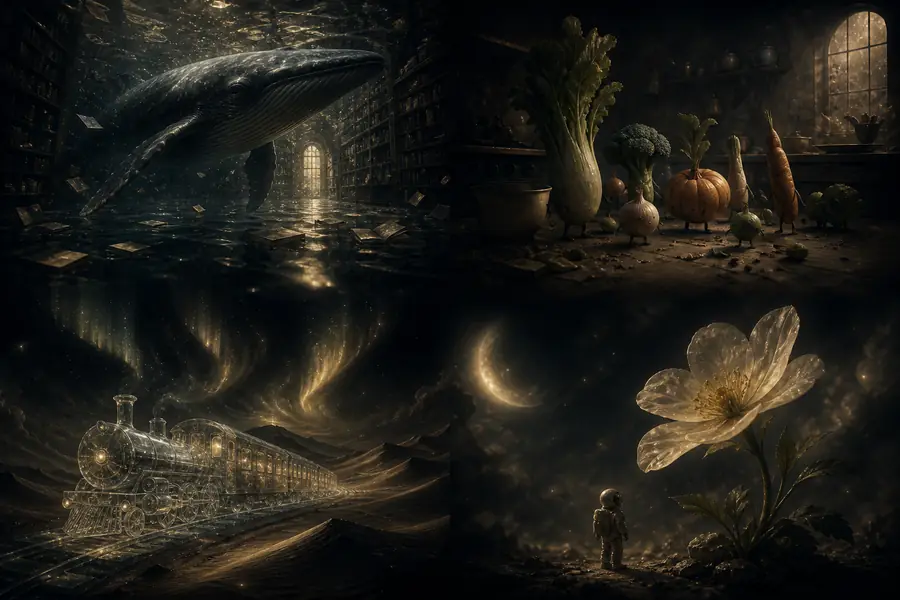
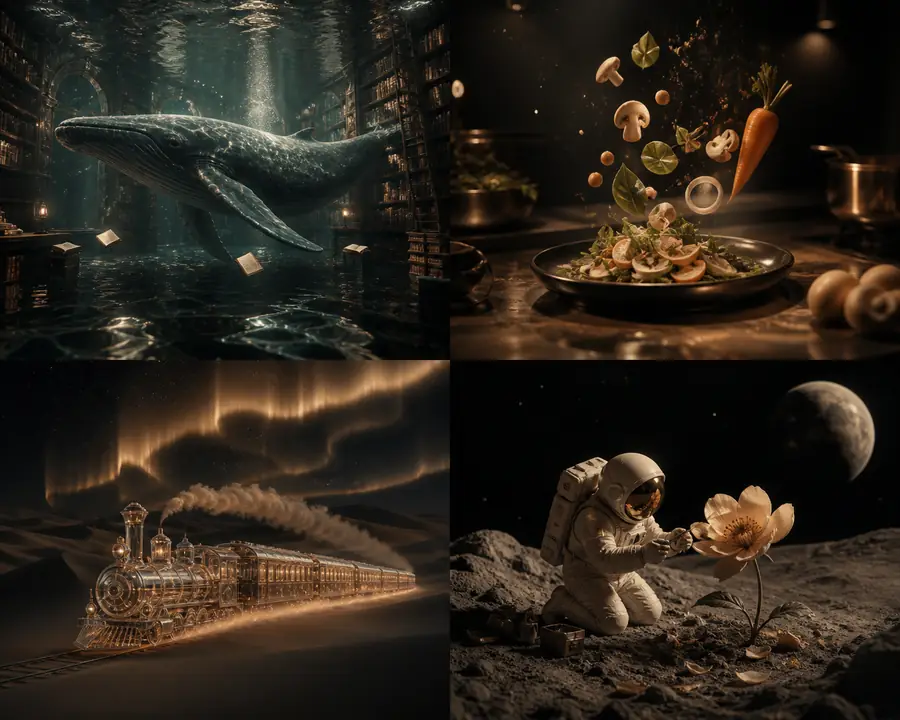
The useful change is not more adjectives. It is the addition of observable direction: who or what moves, how the camera behaves, what the light is doing, and where the moment ends.
For a wider library of references, compare these patterns with our luma labs examples and note which details remain consistent across different visual styles.
03 / Iteration signal
A prompt becomes more useful when the result can be judged against the brief. These working targets show what to improve between a first pass and a production-ready variation.
04 / Selection guide
Choose the prompt emphasis according to the deliverable, not the novelty of the visual idea. A polished shot is still the wrong shot if it misses the channel, audience, or edit.
05 / Planning tool
How many prompt-led shots should a small concept plan for? Use this simple estimate to set a realistic first pass before refining the language or adding references.
Should every prompt be cinematic? No. Use plain language for the subject and action, then add cinematic detail only when it changes the audience's reading of the scene. Should prompts be long? Only when each detail controls a visible result. Should a failed take be discarded? Keep it if it reveals a useful movement, framing, or lighting direction; that feedback can improve the next version.
06 / Format evolution
The modern prompt format grew from short descriptions into a lightweight collaboration language between the person with the idea and the person shaping the final cut.
Creators began with a subject and mood, learning that broad descriptions could produce surprising but inconsistent video.
Prompts improved when camera travel, subject movement, and the relationship between foreground and background were named directly.
Teams started separating action, composition, atmosphere, and output requirements so revisions could target one variable at a time.
The best examples function as reusable production notes: clear enough to share, specific enough to test, and flexible enough to evolve.